the US is rightly concerned and, as we have seen with TikTok, probably already has concrete evidence that people have been stalked.
That’s why I find it quite strange when the EU is totally OK with Huawei and continues to use their technology, but on the other hand completely freaks out when it affects domestic companies and immediately threatens to use data protection laws. On the one hand (China, Russia) there is indeed massive espionage and data protection violations, but we prefer to hit the domestic companies and beat them to death.
The bottom line: we should also think about such a ban.
The Biden administration has introduced a bill to ban Chinese and Russian software in cars. What exactly is it all about?
Generally speaking, modern vehicles are real data hogs and for good reason. A lot of data is collected for driving safety, maintenance, diagnostics and so on. From ice on the road, outside and inside temperatures, air pressure in the tires to acceleration (including lateral acceleration in the event of an accident), data is measured and collected. Today, every car has a black box in which driving data is stored so that diagnoses can be made about the condition of the vehicle and driving behavior during maintenance or after an accident.
In recent years, a lot more data has been added, including online data for traffic information, power consumption, battery status, charging status, recordings from cameras and other sensors fitted to the vehicle, data required for the operation of driver assistance systems and much more. Some functions that collect data are even mandatory, such as interior monitoring by cameras in the car to monitor whether the driver is distracted, eating or smoking. Such driver monitoring has even been mandatory in the EU since last summer.
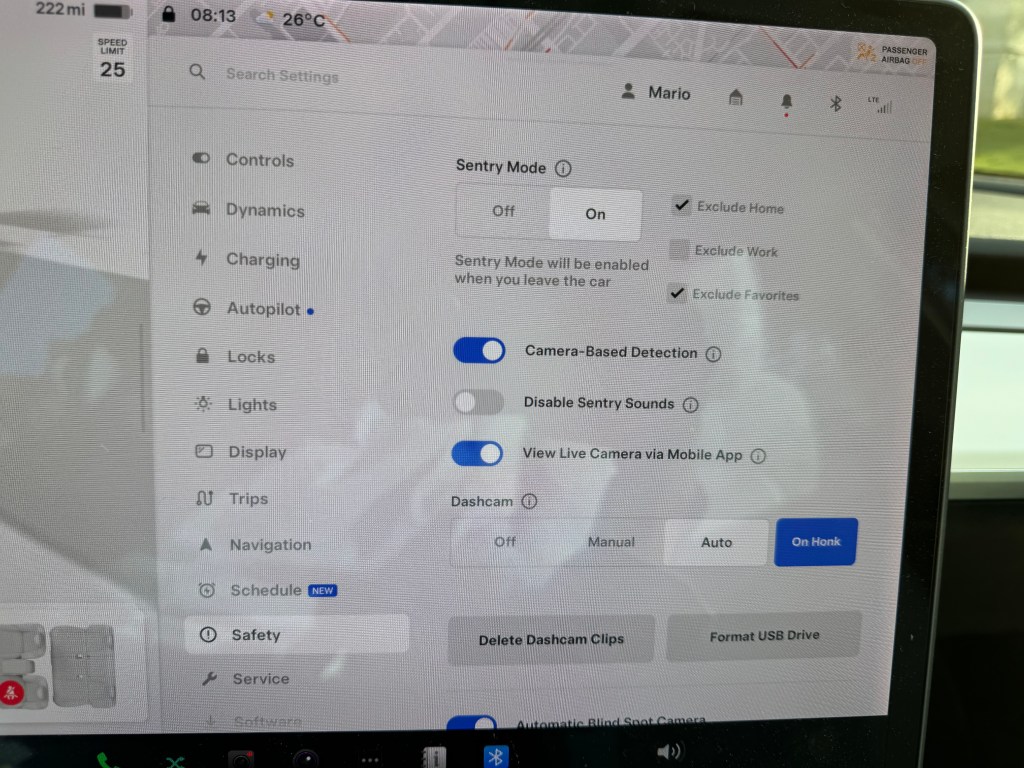
My Tesla Model 3 from 2019, for example, has eight exterior cameras and one interior camera. This data is stored, for example, after an accident or through my actions (pressing the recording button on the touchscreen or the horn) and I can use it. For example, the YouTube channel Wham Baam TeslaCam lives from such recorded videos.
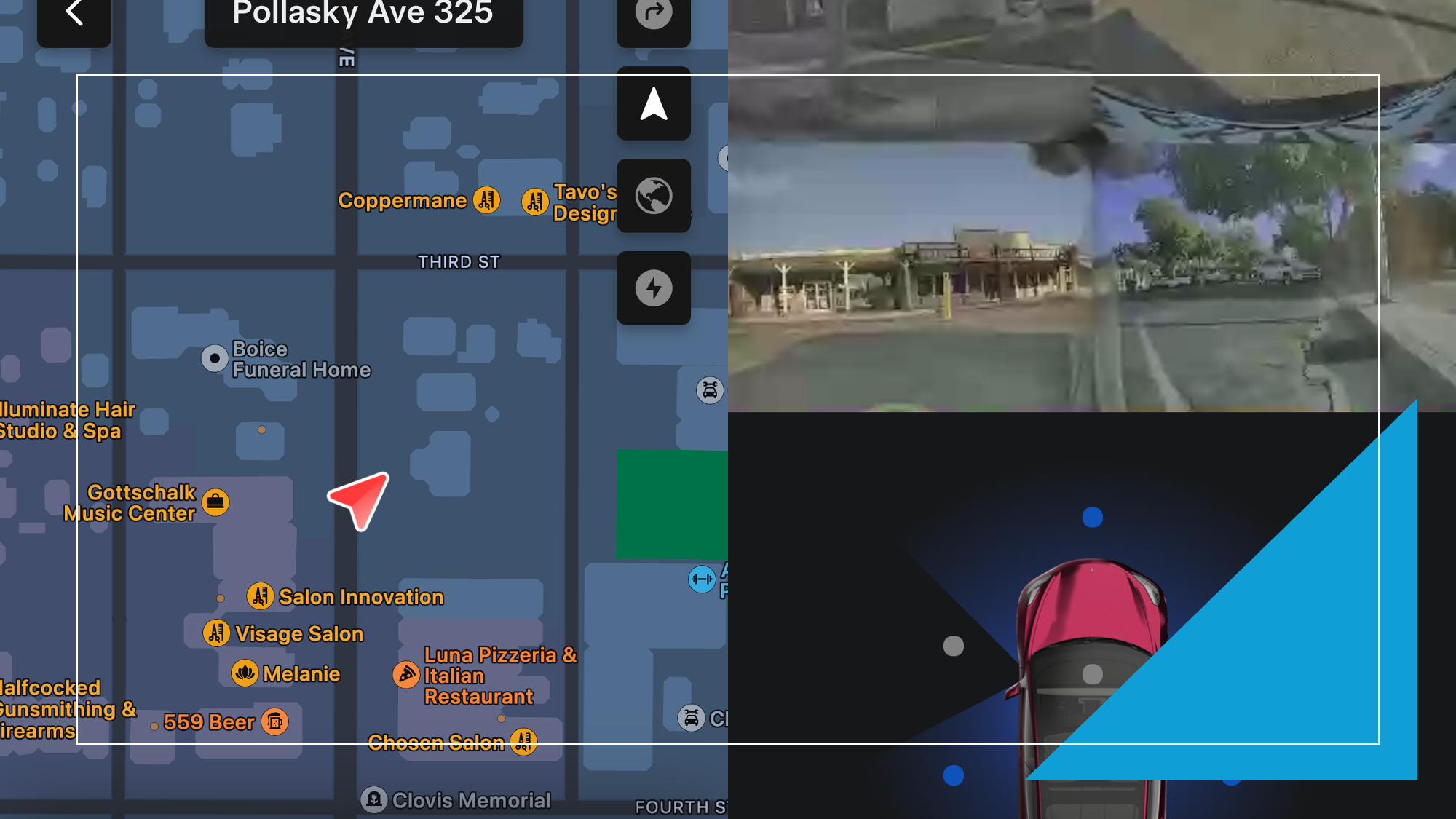
However, you can also use such cars as mobile surveillance cameras. I park a car, and if someone walks past in a certain proximity, it records it. As the owner, this is good if vandals attack the car or vehicles collide with the Tesla. I can even switch on the cameras via my Tesla app and watch what’s going on around the car from a distance. And I can use the app to find out exactly where my vehicle is at any given time. Ideal if I’ve forgotten which street I parked the car in at the street party.
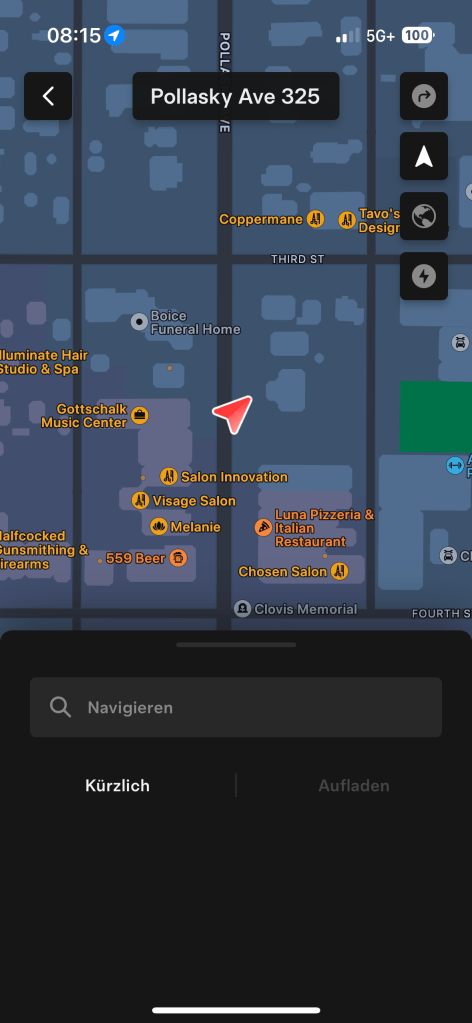
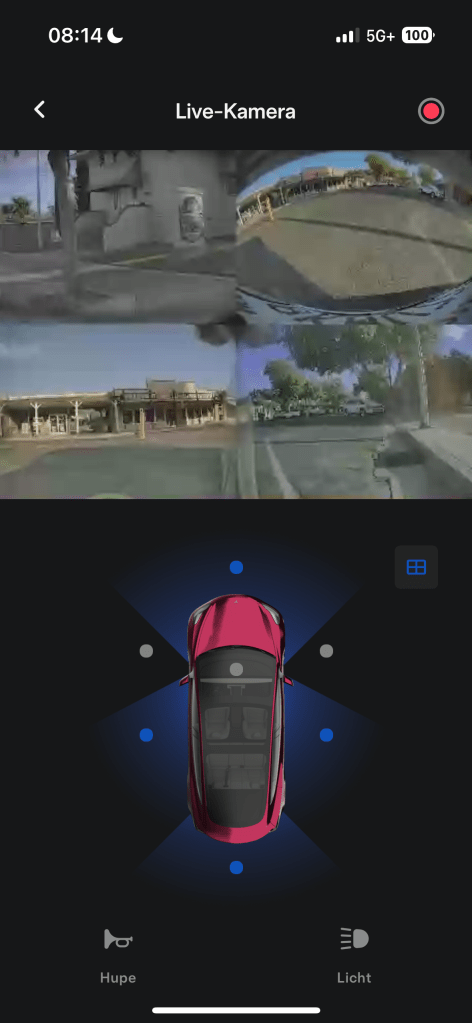
Someone with less good intentions could now use this to monitor areas or objects. Or this person could tap into the interior camera to identify or observe people. Dissidents or journalists who are less than compliant can be tracked down in this way.
There is therefore a risk that Chinese (or Russian) car manufacturers or suppliers will have to install or create backdoors for the regime. And they usually don’t have the choice. After all, there is always a representative of the Chinese regime on the board of directors or supervisory board of large Chinese companies, whose wishes cannot simply be disregarded, as was demonstrated by Jack Ma, CEO and founder of Alibaba, for example, who made critical comments about the regime and then disappeared from the scene for several months.
Such software can be used to spy on people, as Huawei did with its widely used communication technologies and the US subsequently banned this company from the US. The Chinese government was able to tap into and listen in on data transfers and phone calls through the backdoors in Huawei routers and communications technology.
New scenarios could be added with autonomous cars. In the USA (e.g. San Francisco), we already have fully driverless robotaxis from Waymo in operation (they now drive 100,000 paid driverless trips per week) or the Tesla Full Self Driving (FSD), which I also have on my Tesla and have already been able to make several trips in the San Francisco Bay Area and elsewhere without a single intervention from me.
Chinese manufacturers are working hard to develop self-driving technology themselves. They are about 2-3 years behind the US companies, but they are working diligently to develop something like Waymo or the Tesla FSD and integrate it into their own production cars.
Now imagine that someone with evil intentions, like in the movie Fast & Furious 8, uses this feature to intentionally run someone over. It would be difficult to prove that this was not a technical error or simply an accident.
In this respect, the USA is rightly concerned and, as we have seen with Tik Tok, probably already has concrete evidence that people have been stalked with it.
However, a general ban on Chinese or Russian software in cars is not so easy to achieve. Nowadays, software is developed across many locations and it is not easy to identify it. And what do you do with vehicles that are already in the country? Do they have to remove all software from these countries now? The implementation of such a ban seems highly impractical.
Such a ban, like the punitive tariffs, has a direct impact on vehicle prices. At a time when governments are promoting a switch to electric cars or zero-emission vehicles, this is a measure that has the opposite effect. Vehicles are becoming more expensive.
That’s why I find it quite strange when the EU is totally OK with Huawei and continues to use their technology, but on the other hand goes completely berserk when it comes to domestic companies and immediately threatens them with data protection laws. On the one hand (China, Russia) there is indeed massive espionage and data protection violations, but we prefer to hit the domestic companies and beat them to death.
Bottom line: we should also think about such a ban.
| Bücher zum Silicon Valley, der Zukunft, künstlicher Intelligenz, dem aufregenden Thema Innovation, der Automobilindustrie oder wie man sich bloß nicht entschuldigt, mit anderen Worten alles gute Bücher von mir. Und die will ich Dir ans Herzen legen. |
 |
| Alle Bücher gibt es bei Amazon, beim Plassen- und Beck-Verlag oder beim Buchhändler des Vertrauens. Sogar als ebook gibt es sie beispielsweise hier. |
This article was also published in German.

 The Last Driver License Holder...
1 Comment