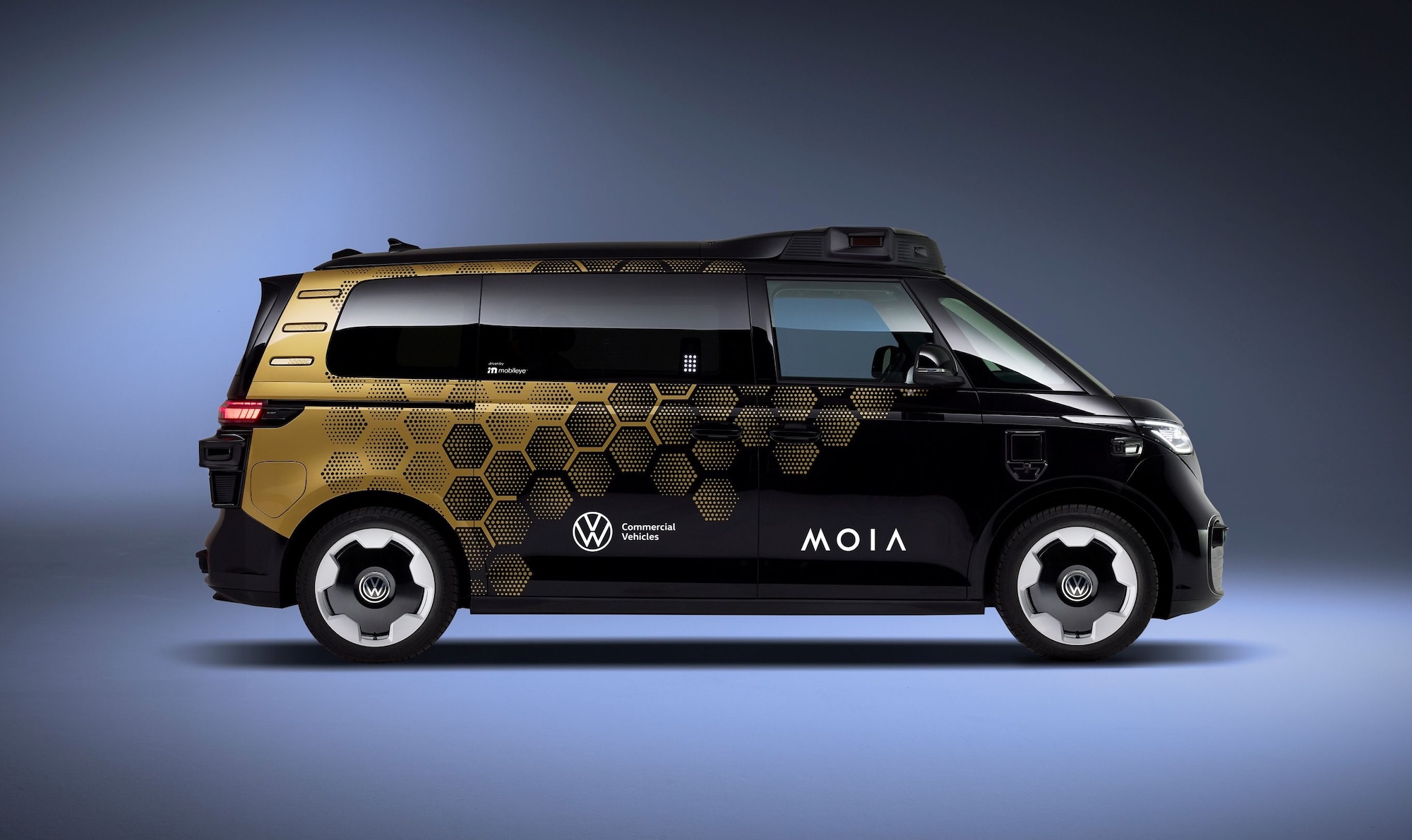
Moia, the VW technology company that I have already reported on here, presented the ID. Buzz AD as a vehicle that is to be Volkswagen’s first series-produced autonomous vehicle. This “turnkey” vehicle for autonomous driving should be easy for mobility providers to integrate into their mobility offerings and be approved in the EU and the US. The ID. Buzz AD should be available from 2026.
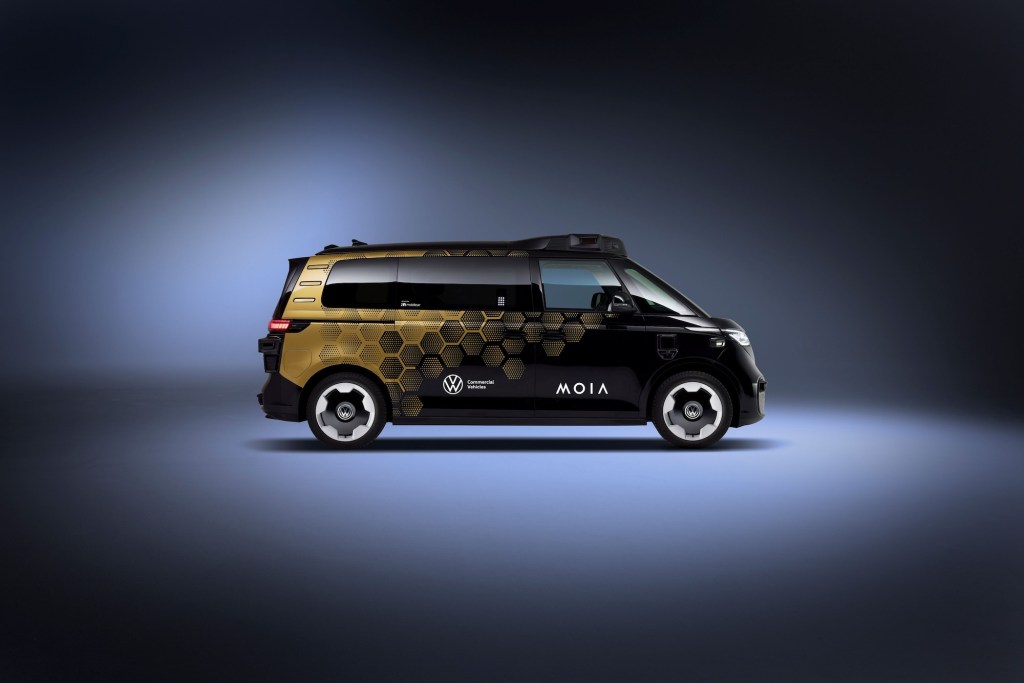


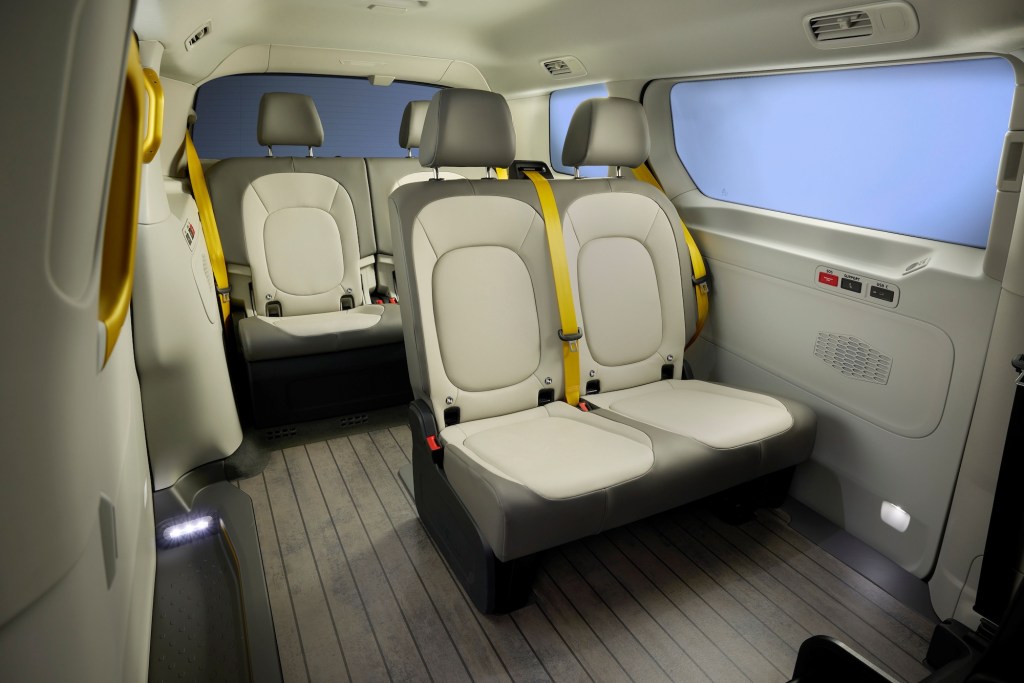
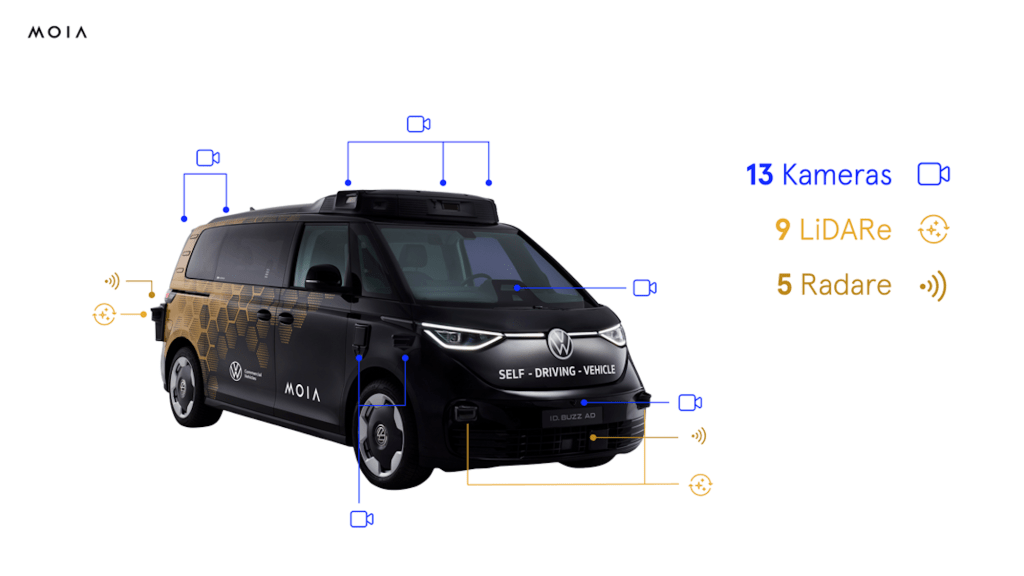
The press documents show that there is still a place for a driver in the vehicle, complete with manual controls. This seems half-hearted when you look at the vehicles of other manufacturers such as Zoox, Waymo or Tesla, which are already on the road today without a steering system.


In recent years, several manufacturers have already announced their intention to produce series-produced cars. Many of them have not yet kept their promises. Here is a brief overview:
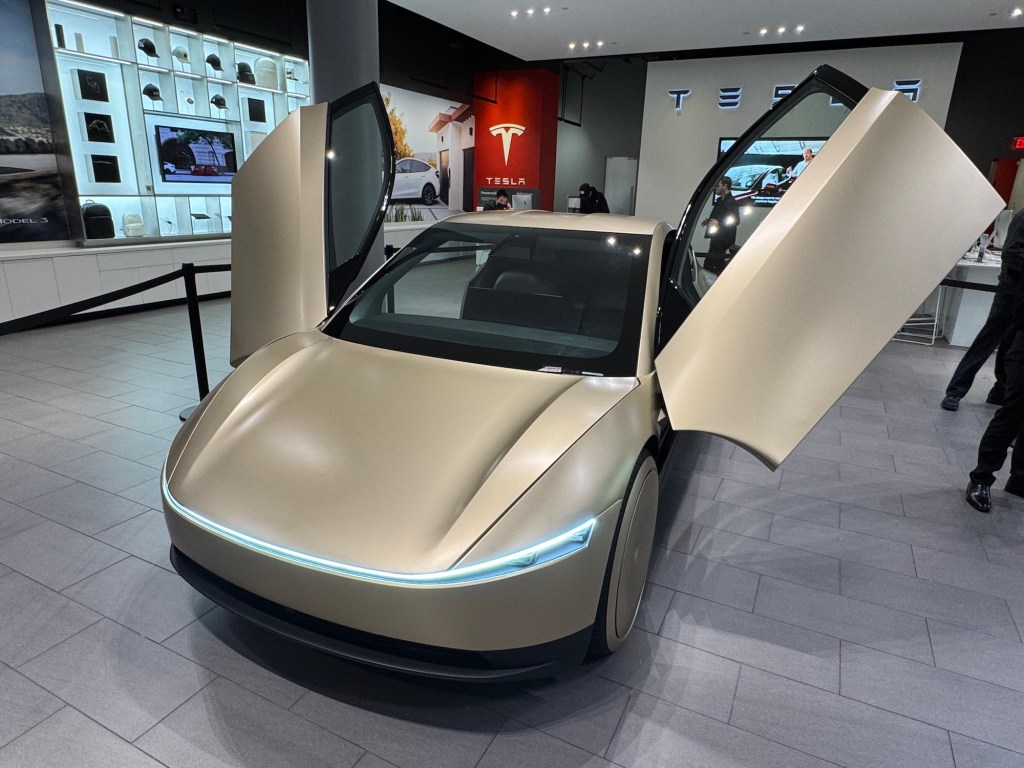
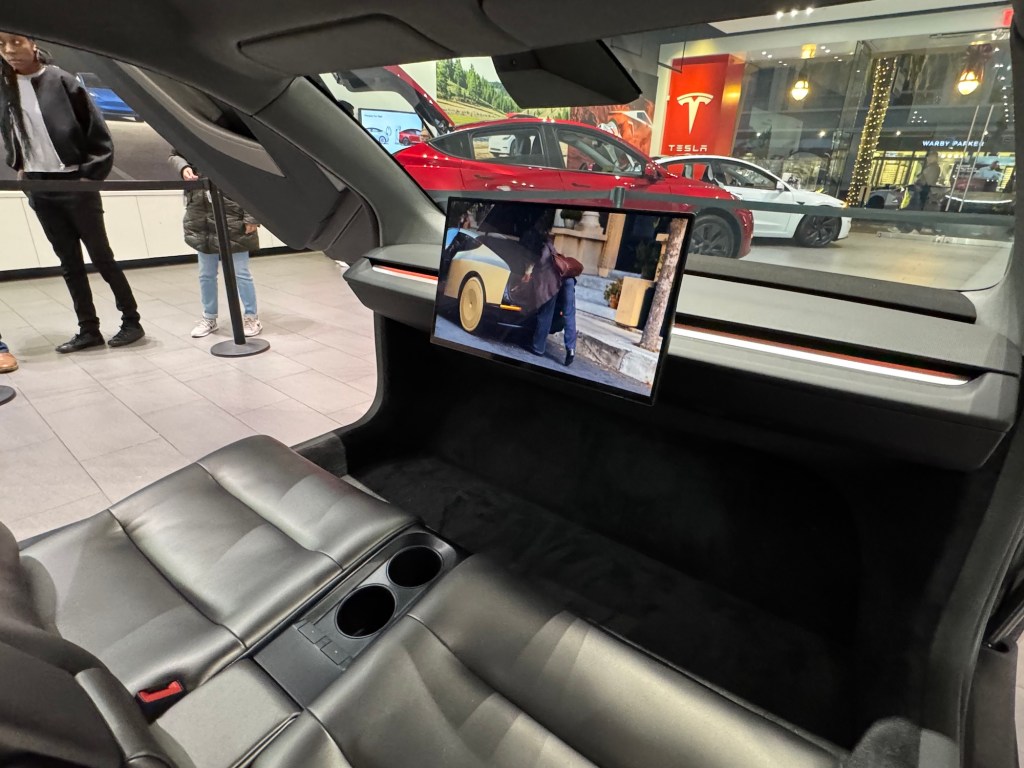
Tesla has claimed since 2016 to equip all new vehicles with hardware for fully autonomous driving (SAE Level 5). Elon Musk predicted that Teslas would be able to drive fully autonomously as early as 2017. However, these announcements were not kept; the vehicles are still not registered as fully autonomous to this day.
In 2015, Audi presented near-series autonomous vehicles at the CES in Las Vegas under the term “piloted driving”, which covered several hundred kilometers without intervention. Audi claimed a pioneering role, but was unable to deliver a fully autonomous production vehicle
In 2016, Ford announced its intention to launch fully automated cars for car-sharing services by 2021. The company publicly positioned itself as a pioneer for autonomous mobility in cities.
General Motors and its subsidiary Cruise Automation have repeatedly emphasized that their autonomous vehicles will be “completely different” and fully autonomous. In 2017, they published the first videos of tests with driverless cars in San Francisco.
Other companies with similar claims:
- Five.ai (start-up from London, announcement for 2019)
- Volvo (announcement for “world’s first autonomous driving project in mass production” from 2017)
- Nissan, Hyundai, Honda and other manufacturers have also announced ambitious timetables or prototypes for fully autonomous vehicles
And I’m not even mentioning companies like Navya, Easy Mile, Olli, etc., which produce or produced such shuttles in series, but which never really worked as expected.
Mercedes also claimed this when they received approval for the Intelligent Drive Pilot in Germany and Nevada. But there are already some articles about this here that bring us back down to earth.
Waymo has 1,500 driverless cars on the road today with its Waymo Driver, and 2,000 more of the vehicles are currently being prepared. In total, Waymo completes 250,00 driverless, paid trips per week with its vehicles and has now completed more than 10 million of them with over 70 million miles (more than 110 million kilometers).
This article was also published in German.

 The Last Driver License Holder...
2 Comments