
It has only been a month since MOIA presented its new robotaxi at the UITP Summit in Hamburg, and already there is news that casts doubt on MOIA’s plans and viability. The Volkswagen subsidiary MOIA operates a driving service based on the VW ID.Buzz with a driver. Until now, this service was available in Hamburg and Hanover, but on July 18, 2025, it was discontinued in Hanover without prior notice.


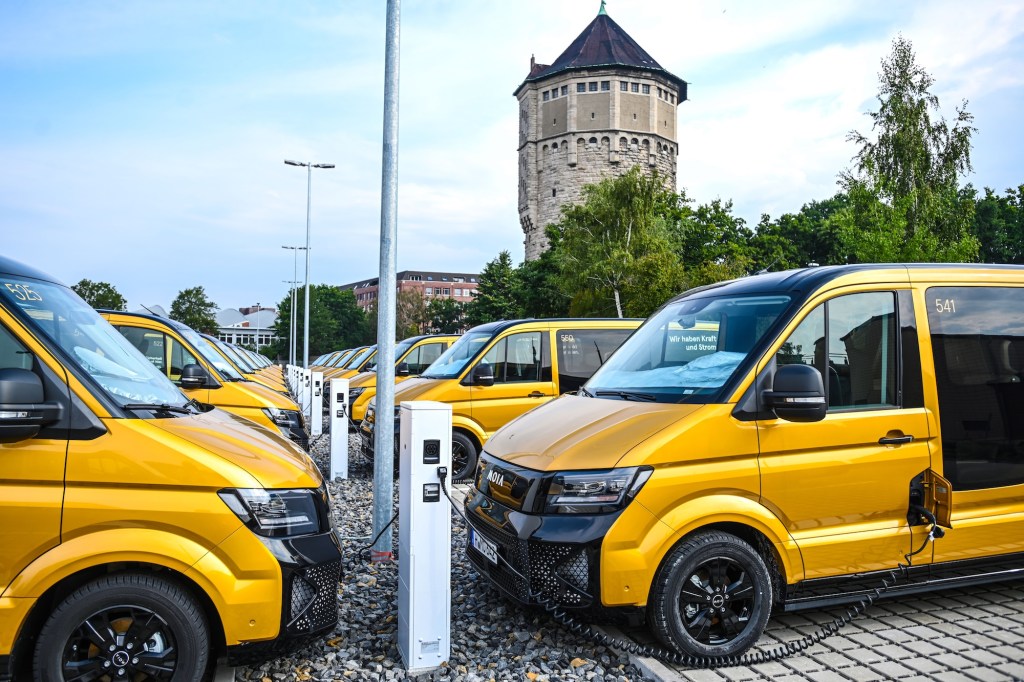
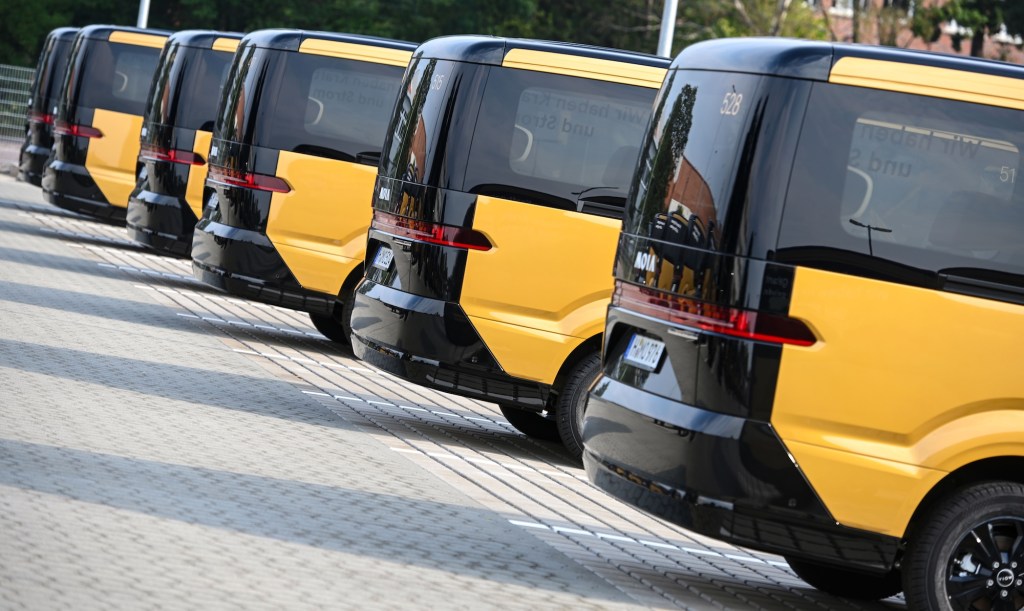


As can be seen in the pictures, the vehicles currently used in MOIA’s taxi service are not autonomous vehicles. They are not equipped with the necessary sensors, as the one presented at the UITP Summit and previously seen at CES 2025.
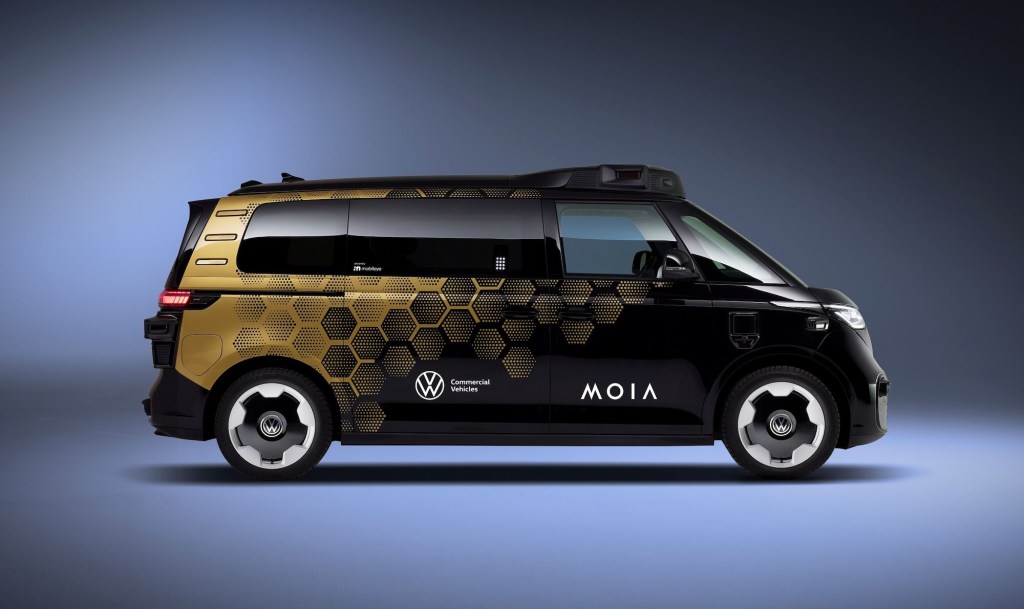
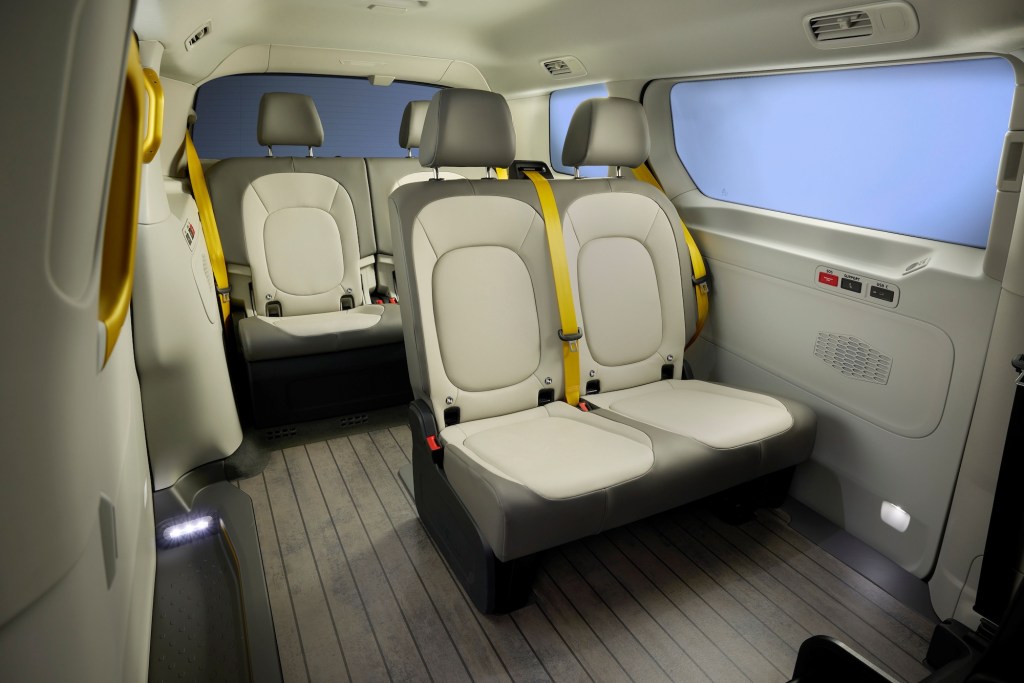


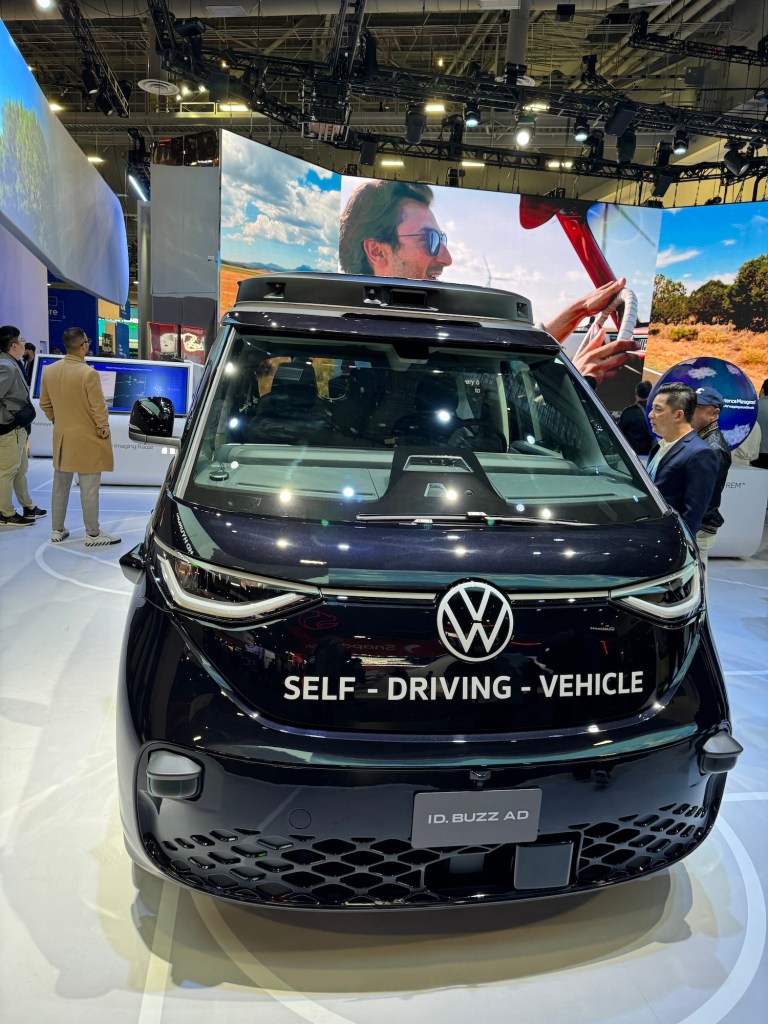

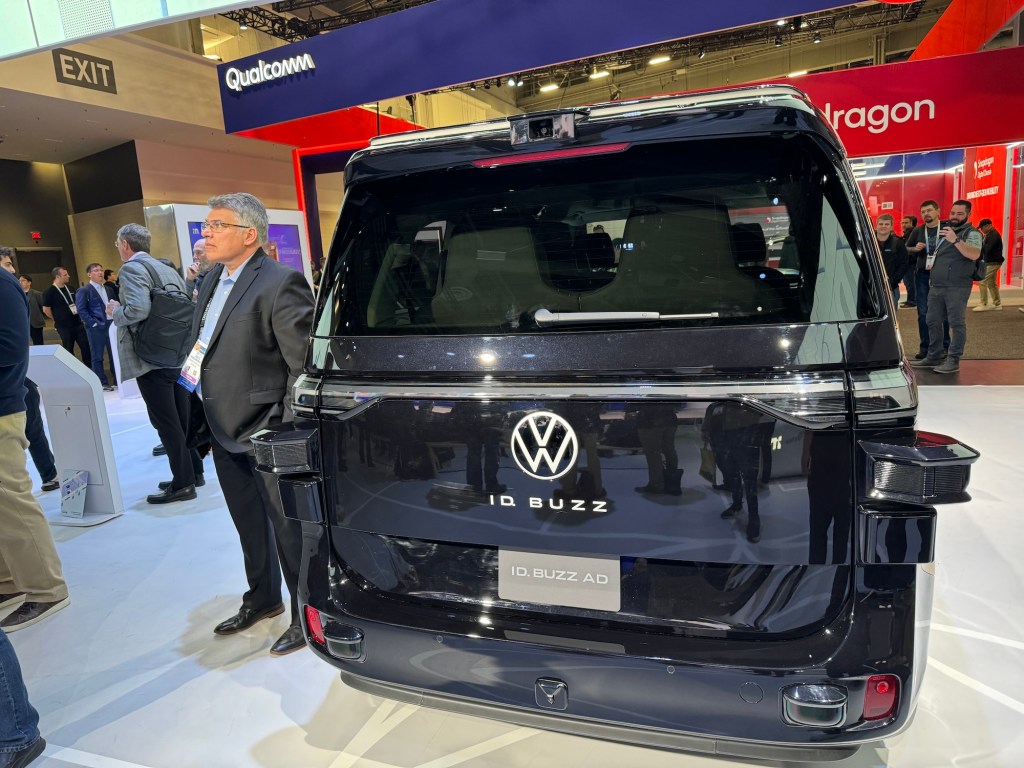
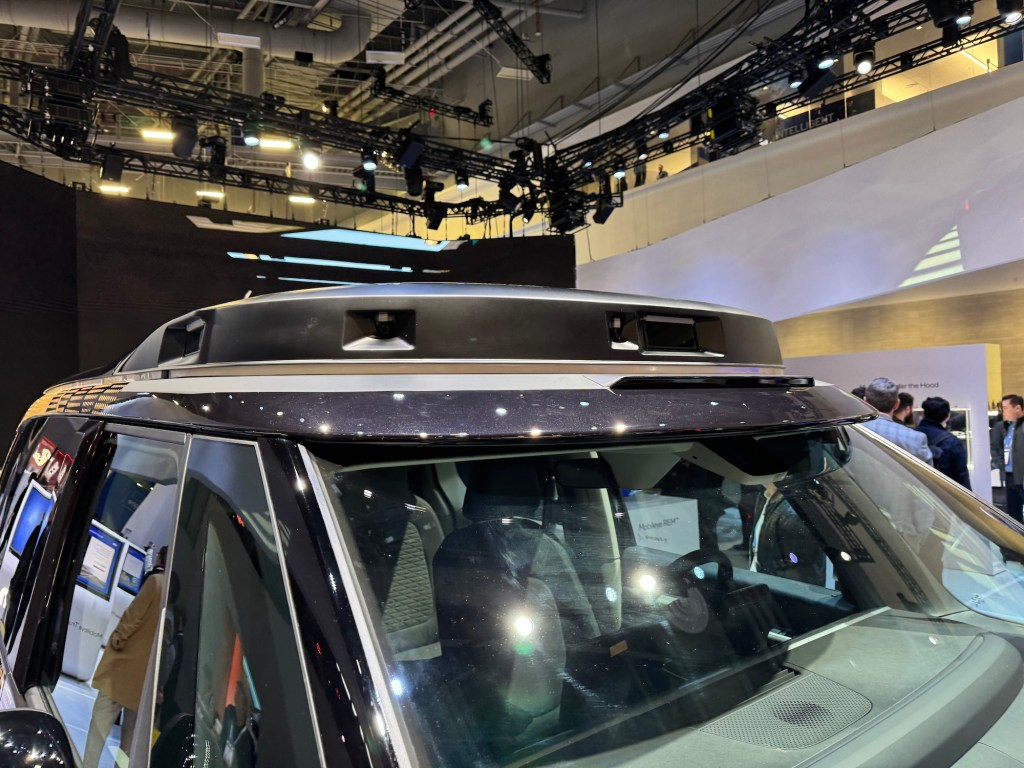
In my analysis, I already discussed MOIA’s timelines, as well as the fact – for me a red flag – that the core self-driving technology does not come from MOIA and the challenges it poses. I have also just recorded a video about this:
In other words, the decision to discontinue the driving service in Hanover at very short notice creates little confidence in the future viability of the VW subsidiary, as well as the plans and strategic vision of Volkswagen itself. Especially now, with the announcement of robotaxi production four weeks ago, VW and MOIA should be expanding their services for several reasons.
First of all, a fleet equipped with sensors and safety drivers needs to hit the roads in more and different regions to cover millions of kilometers to help develop self-driving technology. On the one hand, to allow self-driving to mature on its own, and on the other to better understand passenger behavior and needs.
A fleet of this kind can then also capture demand and familiarize the local population with the transport service so that support and acceptance can be gained.
At the same time, this also demonstrates to public transport operators that both the demand exists and that this technology is reliable. In the past, many public transport service providers have been burned by tests with shuttles from companies such as EasyMile, Navya or the Olli from Perrone Robotics, which were far from delivering what was promised.
The discontinuation of the MOIA service in Hanover sends the wrong signal if Volkswagen really wants to play in the robotaxi business with MOIA. Or it is a clear sign that, like General Motors, which discontinued its Cruise self-driving division at the beginning of 2025, it is also thinking about ending it. After all, the business models of robotaxi fleets are not the ones that GM or VW were focused on. Both sell vehicles to customers, but do not operate driving services – and are therefore competing with their own customers in the cab industry. In addition, the development of this technology is not only extremely expensive with an unclear outcome – GM spent around $10 billion on the development of Cruise until its final demise – but is also very long-term. As I mentioned in this article, even under optimal circumstances, I don’t see MOIA’s driverless robotaxis being used commercially before 2030.
I therefore conclude from this shutdown on July 18, 2025 that we are probably seeing the beginning of the end of MOIA and Volkswagen’s ambitions to create a robotaxi service and develop self-driving technology on its own.
This article was also published in German.

 The Last Driver License Holder...
2 Comments