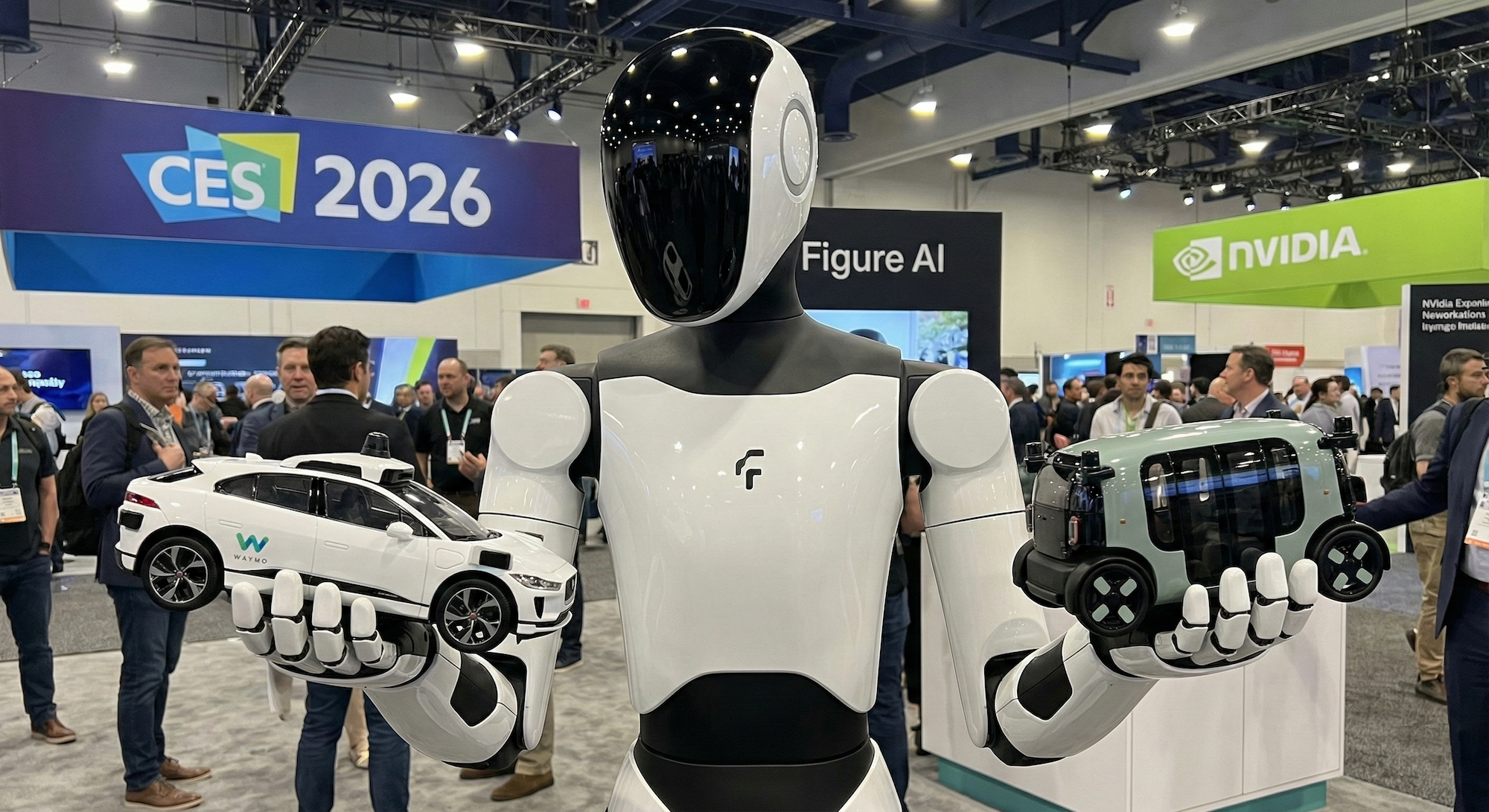
CES 2026 clearly showed that physical AI is coming in the form of autonomous cars and now also humanoid robots. At least 144 companies are developing humanoid robots, offering more than 170 models. Around 30 manufacturers were represented at CES 2026, along with just as many component suppliers who develop and offer robot hands, among other things.
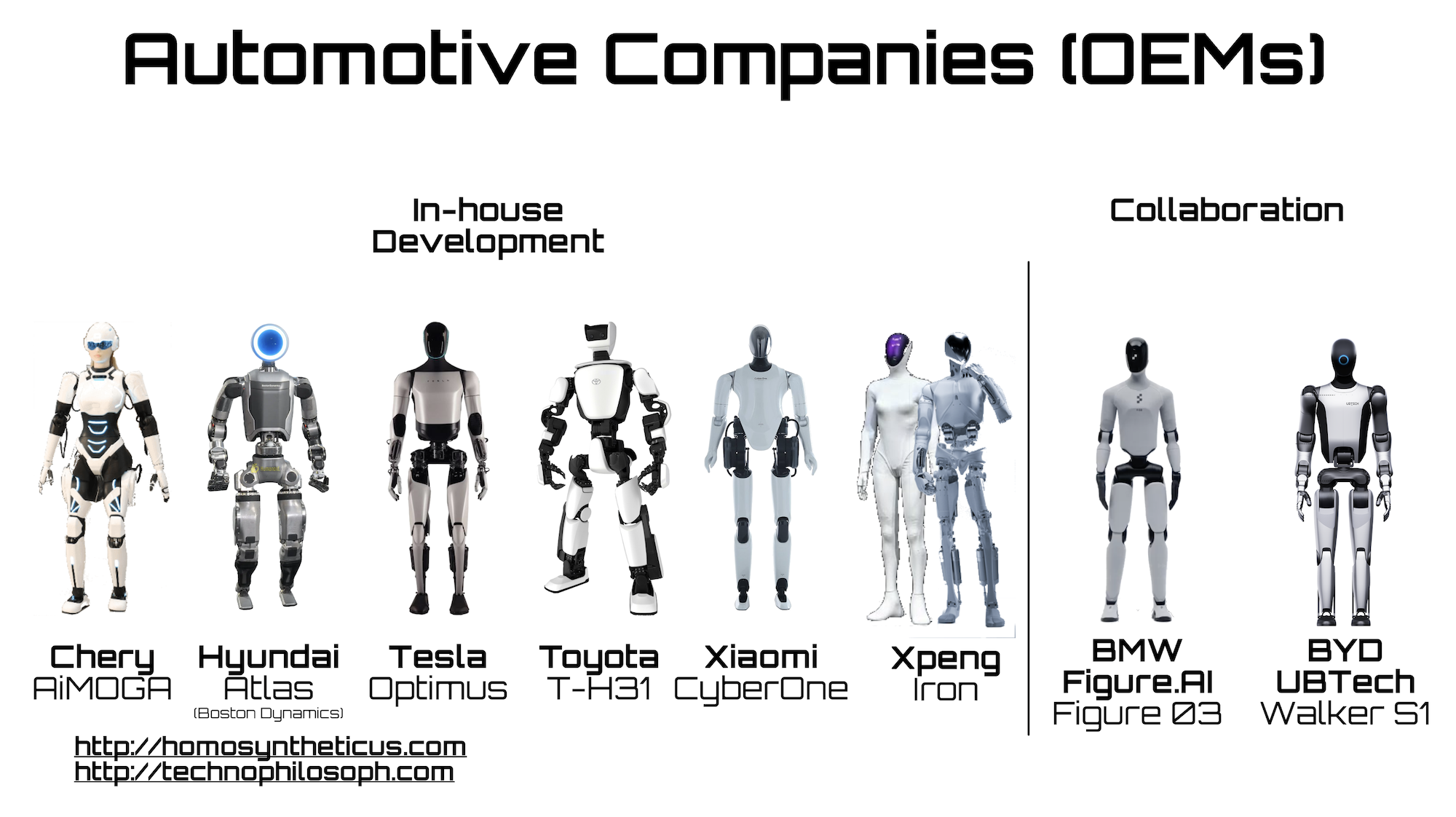
It is noteworthy how many companies from the automotive industry are involved in the development and use of humanoids. I am aware of at least six automotive companies (OEMs) that are developing complete humanoid robots. These and others, such as BMW and BYD, are using them in their own factories in production or as information representatives (Chery den AIMOGA).
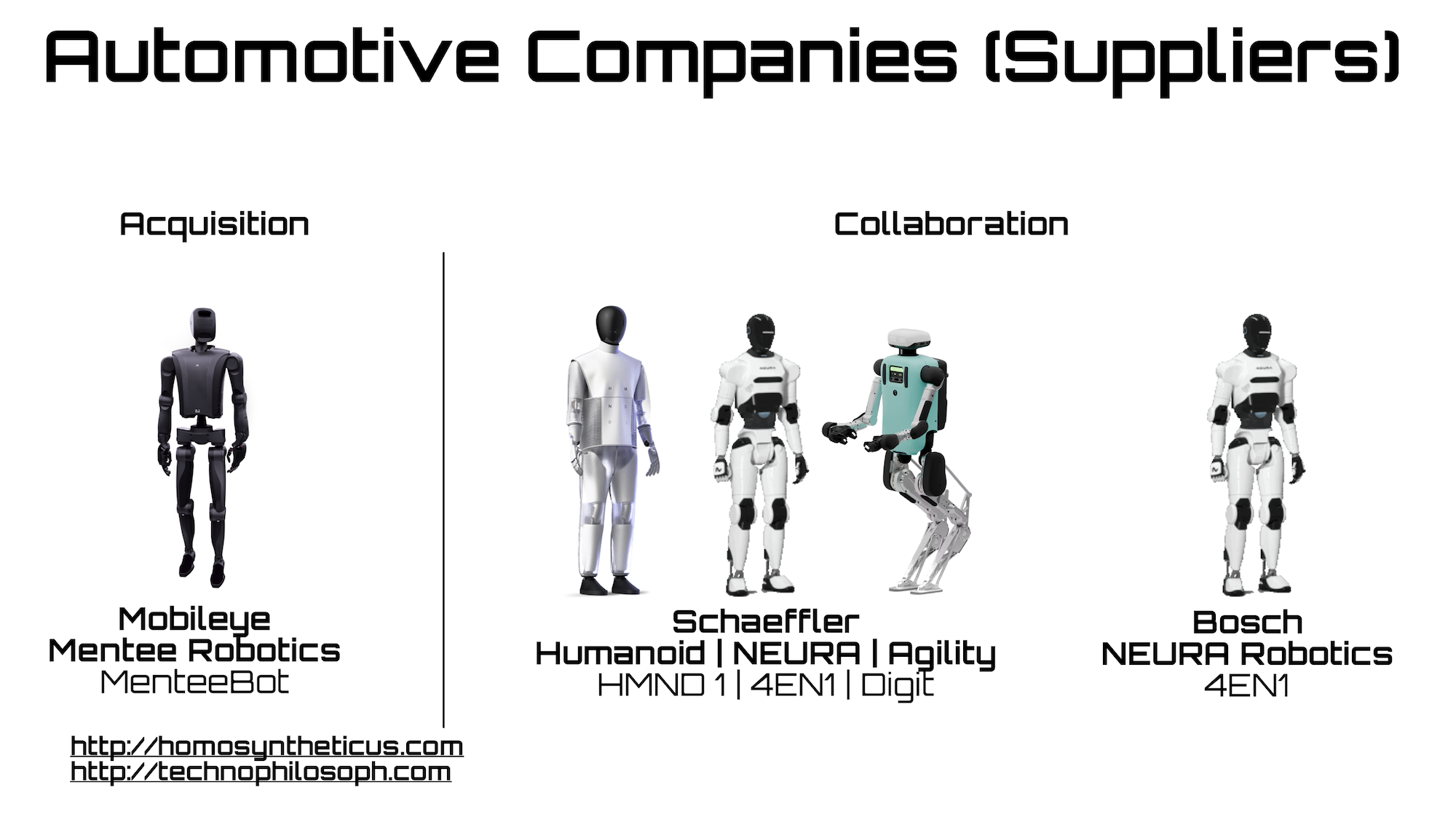
Some Tier 1 suppliers in the automotive industry are also collaborating with humanoid robot manufacturers on development, or have even acquired a robot manufacturer (see Mobileye, which recently acquired Mentee Robotics).
Estimates by analyst firms such as McKinsey that one billion humanoid robots will populate the earth by 2040 and take over tasks in factories and households demonstrate the market potential. A trillion-dollar market is opening up here, which could become even larger than the automotive market. And that could also be a lifeline for automotive companies that are currently undergoing massive upheaval.
And it makes sense: humanoid robots are not only a new form of mobility, but the theoretical capabilities required to develop and mass-produce them are very much in line with the current capabilities of automotive manufacturers and suppliers. At the same time, they would solve another problem: they could be used in the companies’ own production facilities, where they could perform their work more cheaply, without being unionized, and without high turnover and the increasingly urgent shortage of skilled workers due to monotonous and unhealthy tasks.

In this respect, it appears that no automobile manufacturer or supplier can avoid dealing with humanoid robots and participating in their development.
This article was also published in German.

 The Last Driver License Holder...
1 Comment