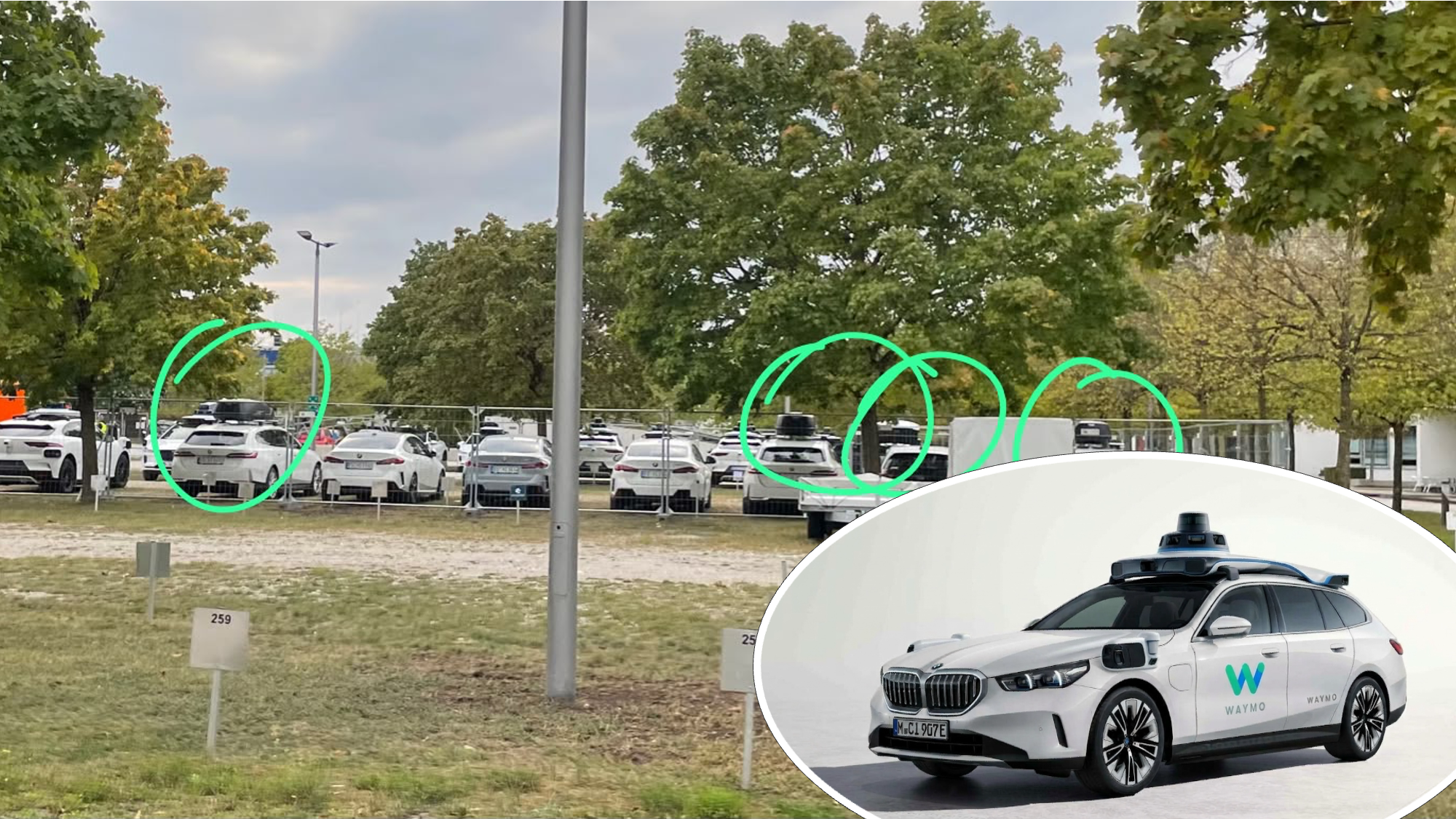
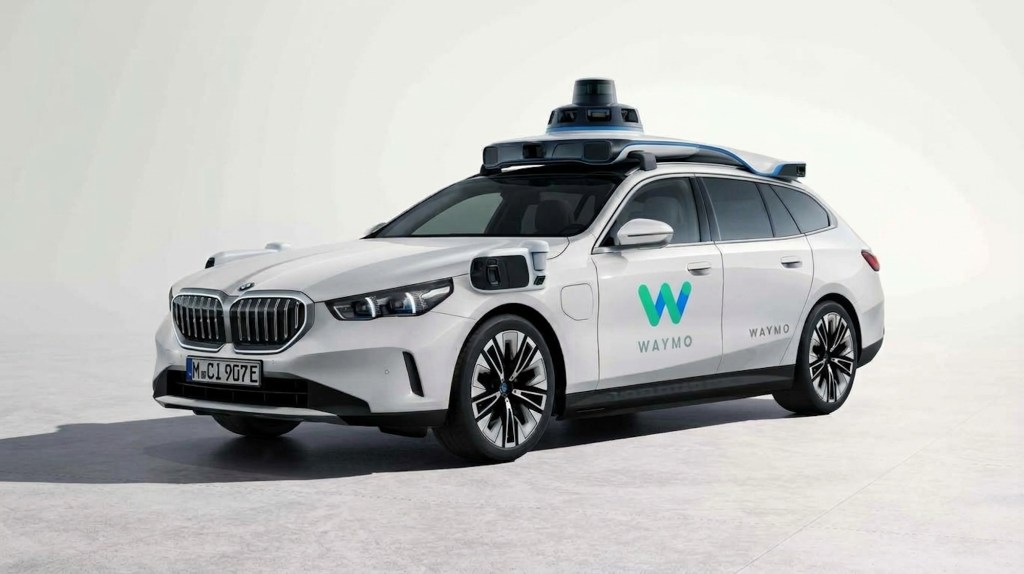
Bernhard Kremer, who created the video, noticed a curious detail while driving past the Waymo depot in Aschheim near Munich, and it has now attracted more attention. What at first looked as though an employee vehicle had snuck in among the more than 30 Waymo Jaguar I-Paces appears, upon closer inspection, to be something more.
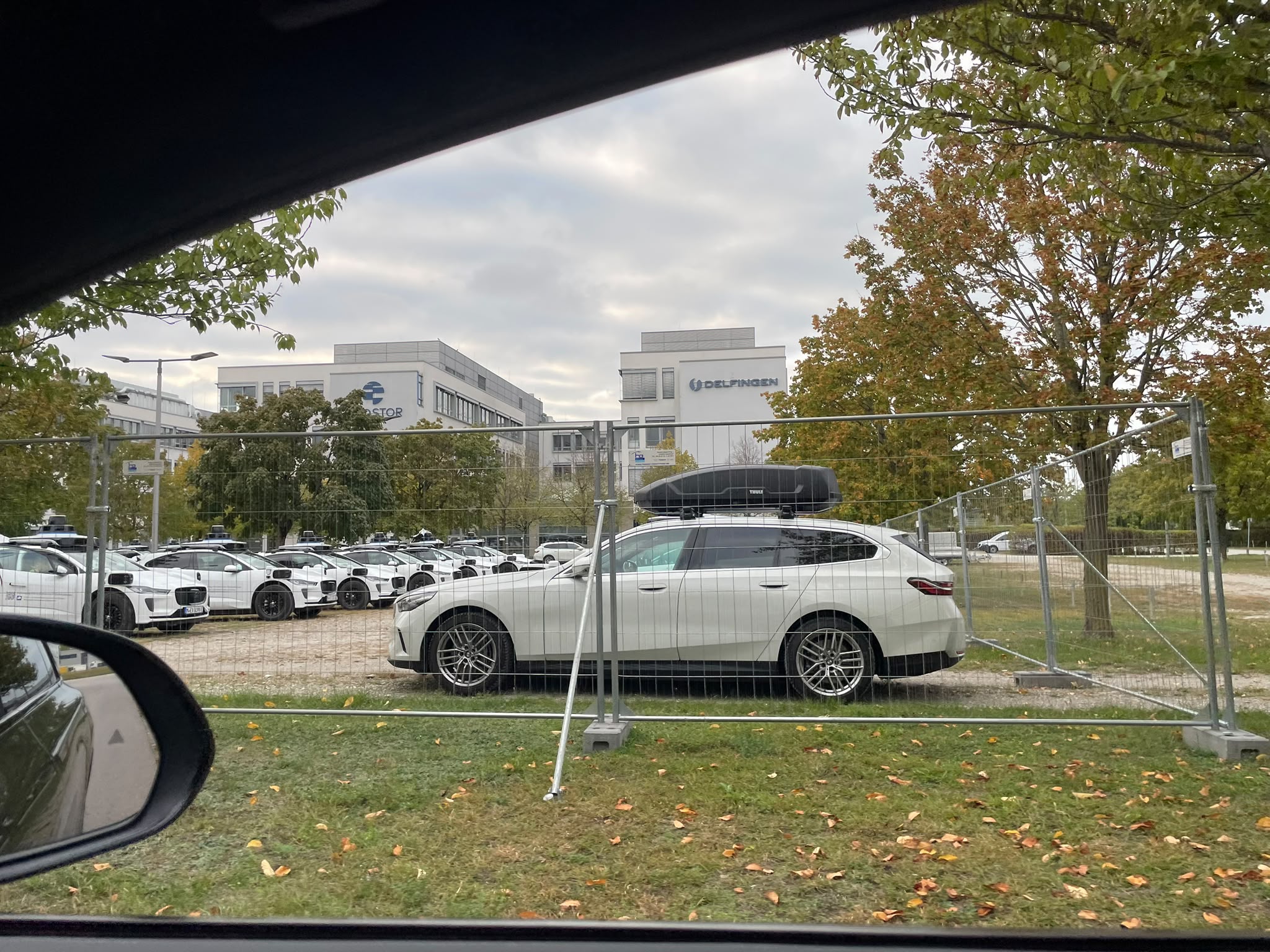
Because once you drive around the corner to the other end of the lot, there are at least three more vehicles like that with roof racks. And in between them, another four BMW 5 Series sedans.
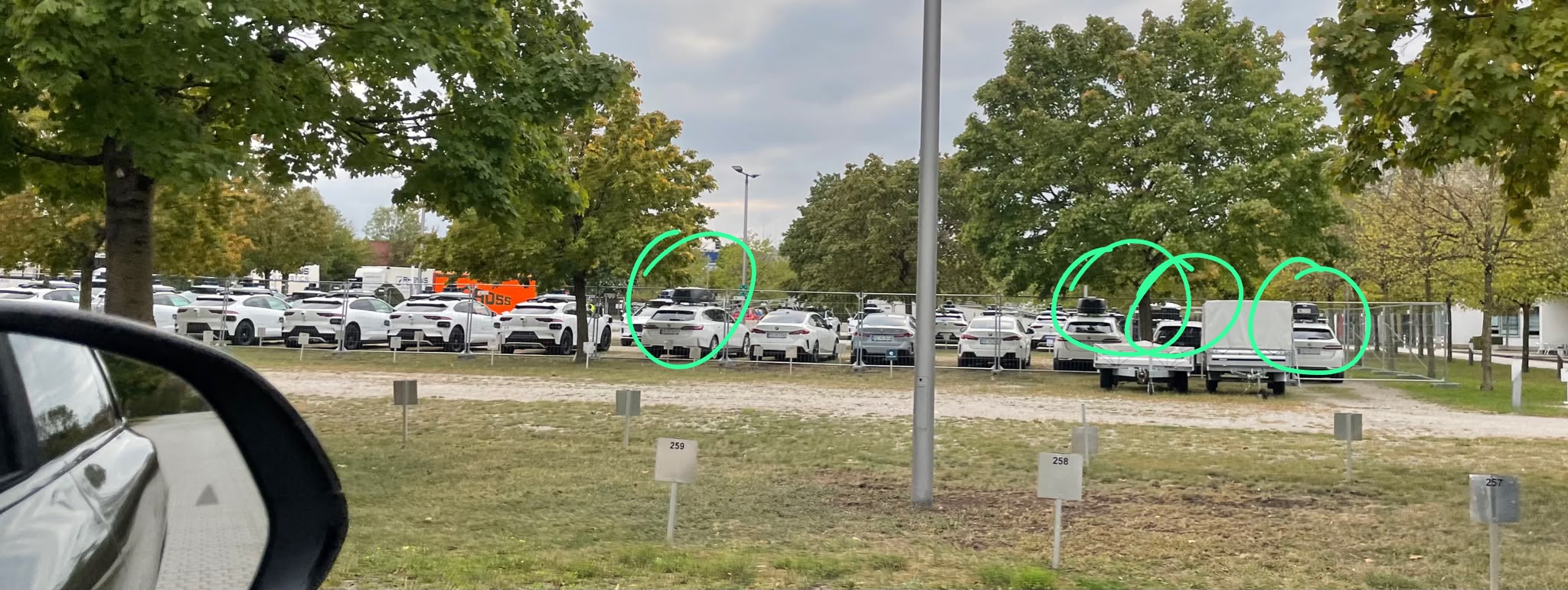
In my opinion, this can’t be a coincidence, and it would make a lot of sense. And it may also have been one reason among many why Waymo chose Munich, of all places, to establish Waymo Deutschland GmbH.
For the German public, it could signal that Waymo is using German vehicles as a platform for the Waymo Driver and the German robotaxi. At the same time, it sends a signal to other countries that local manufacturers can also be used there. It would definitely make the approval process easier to use domestic partners rather than having to go through the approval processes with the Waymo Ojai, which is based on the Chinese manufacturer Zeekr.

HOMO SYNTHETICUS
Wie Mensch und Maschine verschmelzen
Künstliche Intelligenz wird sichtbar. In „Homo Syntheticus“ beschreibt Zukunftsforscher Dr. Mario Herger den Aufbruch in ein neues Zeitalter, in dem Maschinen nicht mehr nur denken, sondern fühlen, handeln und lernen. Humanoide Roboter mit künstlicher Haut und autonomem Bewusstsein treten in unser Leben – als Helfer, Kollegen, vielleicht Partner. Gleichzeitig erweitern wir Menschen uns selbst: durch Implantate, Schnittstellen und KI im Körper. Mensch und Maschine nähern sich an, verschmelzen – und stellen unsere Vorstellung von Identität, Ethik und Fortschritt auf die Probe. Ein faszinierender Blick auf die Ära des synthetischen Menschen.
BMW would also gain experience this way and be better able to integrate the Waymo Driver into private cars. In addition, Waymo vehicles will inevitably have to operate on German highways, where speeds even higher than the recommended speed of 130 km/h—which is, after all, more than 20 km/h faster than on most U.S. highways, where the speed limit is 65 mph (just under 105 km/h)—are permitted.
The BMW G61 Touring with roof boxes could thus be used for drag coefficient tests on German highways and simulate the Waymo Driver’s sensor array. The BMW will also be available in a fully electric version; the only remaining question is whether the doors can close automatically if passengers forget to close them.
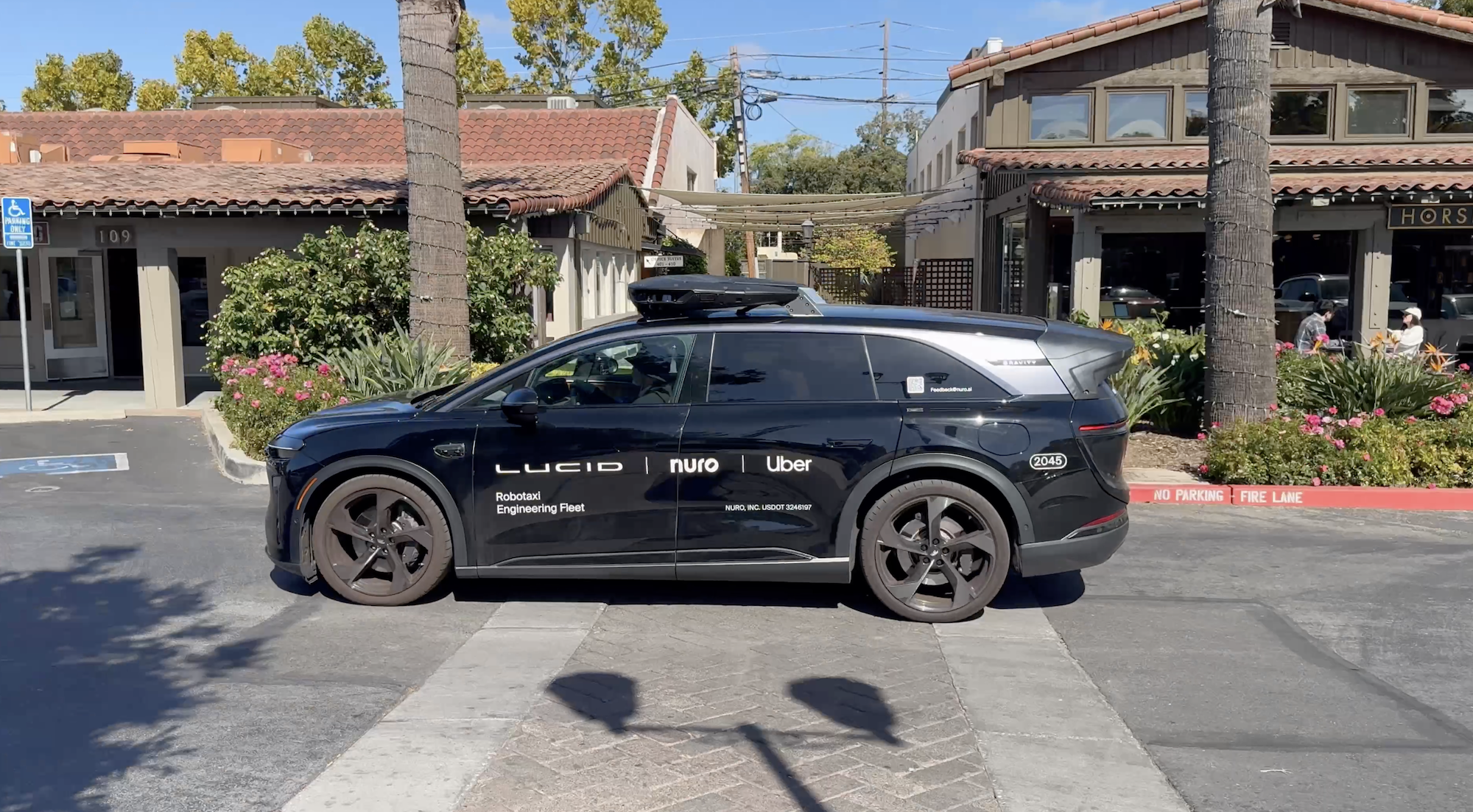
Lucid is developing a similar vehicle, the Gravity, in partnership with Nuro Driver and Uber as a robotaxi.
What might a Waymo robotaxi built on the BMW platform look like? Gemini suggests this:
This article was also published in German.


1 Comment