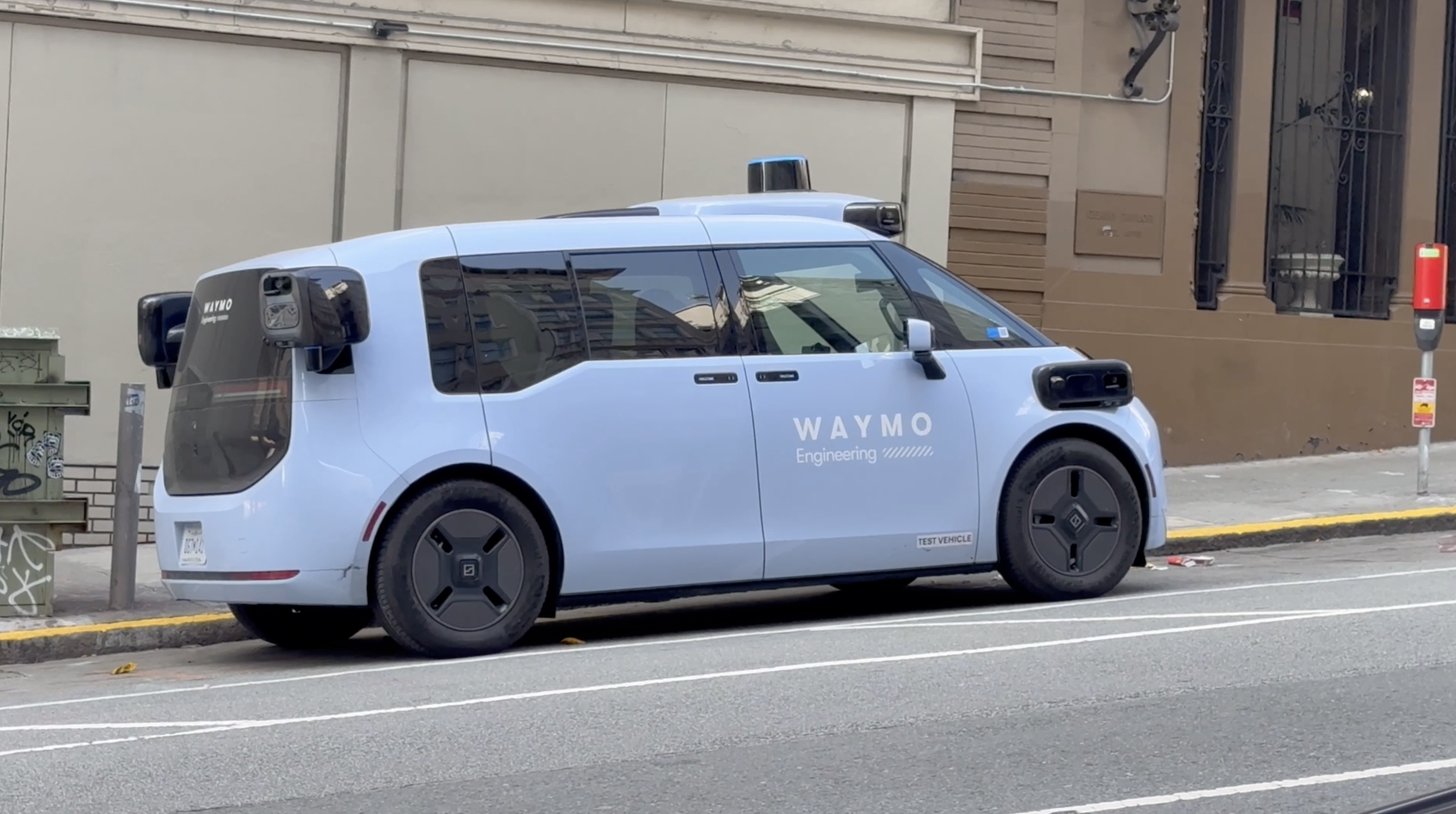
As the number of robotaxis operated by Google’s sister company Waymo in what are now 11 metropolitan areas across the U.S. continues to rise, reports of incidents involving these driverless cars are becoming more frequent. And these incidents don’t so much refer to collisions or traffic violations as they do to illegal parking. For example, the Wall Street Journal reported this week on the city of Austin, Texas, where Waymo has racked up $9,325 in parking tickets since launching its robotaxi service in 2024. Among other things, Waymo vehicles were parked across two lanes, in driveways, and in one instance even in a handicapped parking space. In addition, the company was issued 64 citations for parking in a towing zone, 13 for failing to pay at a metered parking space, and nine for double parking.
Waymo’s parking violation fines ranged from as little as $20 to as much as $519. In a case filed on September 11, 2024, Waymo was hit with its highest fine to date after one of its vehicles was parked in a handicapped parking space.
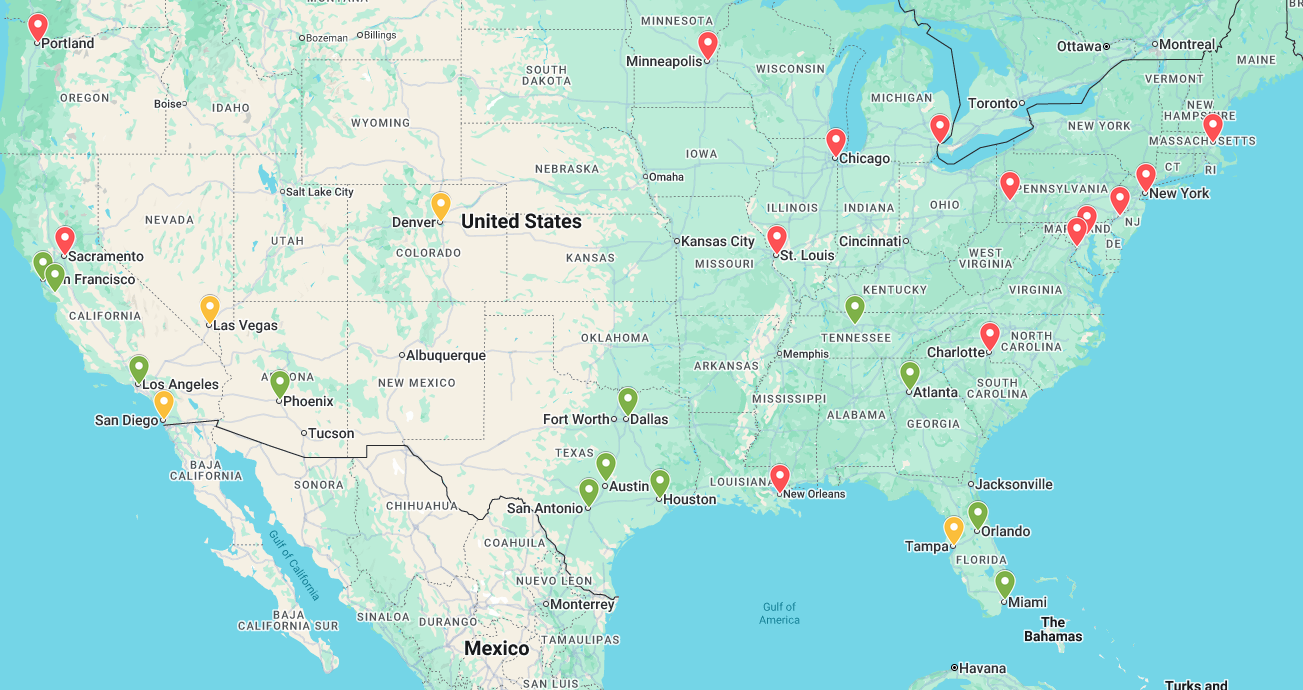
As early as 2024, the public learned that Waymo had received 589 parking tickets in San Francisco totaling $65,065 for illegal parking. By the way, it’s very easy to get a parking ticket in San Francisco. In 2024 alone, parking enforcement officers issued 1.2 million tickets, as reported by The San Francisco Standard.
Waymo vehicles received the tickets because they had to wait for passengers to get in and out. Waymo vehicles don’t just park for the sake of it when they don’t have passengers. They flow with traffic and only park when waiting for passengers. But where are they supposed to do that? There aren’t any designated spots for this in the cities. It doesn’t help that such spots are only available once every five blocks. Someone who orders a taxi wants to be picked up right where they are, not have to walk another 10 minutes to the nearest pickup point. Especially not if you’re traveling with a stroller, groceries, or in a wheelchair. You also want to get out near your destination, not a few blocks away.
Pick-up and Drop-off Zones (PUDO)
And that points to another problem: there aren’t enough pick-up and drop-off zones for robotaxi passengers. And the question is whether parking should be banned altogether. For example, regulations in San Francisco stipulate that a taxi must not be more than 18 inches (about 46 centimeters) from the curb when picking up or dropping off passengers. With streets packed with parked cars, this is virtually impossible. However, cars with human drivers can stop anywhere, because as soon as they spot a parking enforcement officer, they can drive off in time and wait for passengers elsewhere. In other words, this regulation for taxis is virtually impossible to enforce when human drivers are involved. With robotaxis, however, it’s very much enforceable, because they don’t pay attention to parking enforcement officers.
Are Robotaxis Parking?
Robotaxis only park when they are waiting for passengers. German traffic law (§12 Abs. 2 StVO) distinguishes between stopping and parking. There are even separate traffic signs for these. Stopping is an intentional interruption of the journey lasting no more than three minutes without leaving the car, whereas parking lasts longer or involves leaving the vehicle. But who leaves the car when it is driverless and passengers are supposed to get in? We can see that existing regulations thus become unclear or inapplicable when it comes to autonomous cars.
Given the parking situation in cities like San Francisco or Austin, it’s nearly impossible to wait for passengers while obeying the law. For starters, there aren’t enough pick-up and drop-off zones. They’re also not allowed to wait at bus stops, as I’ve seen time and again in San Francisco. That leaves loading zones, driveways, bike lanes, or even parking in the second lane.
Depending on the street, traffic density, and time of day, robotaxis wait anywhere from two to five minutes. Which leads me to ask: why do people who’ve ordered a Waymo take several minutes to get into the car? A taxi or Uber driver would quickly get annoyed, because every minute of waiting costs them money. With an autonomous car, however, people do this because there’s no driver to complain. And that prolongs parking in areas not designated for that purpose. Although, of course, it should be okay to keep a machine (a robotaxi) waiting—that’s precisely one of the advantages of these machines.
Public Space
The real problem, then, is not that Waymos park illegally—since they’re really only waiting for two to five minutes—but that the city makes urban space too cheap for private cars in the form of public parking spaces and withholds it from other residents. For example, in the form of outdoor dining areas or quiet zones, or even drop-off and pick-up zones. This problem was already described by Donald Shoup, an American university professor of urban planning, in his 2005 book The High Cost of Free Parking.
Low parking fees in on-street parking spaces encourage even more people to drive into the city or buy a car. And that leads to even greater demand for parking spaces and behavior that encourages illegal parking and calls for more regulation.
First Principle
When it comes to robotaxis, we should go back to the first principle. Why are there so few pick-up and drop-off points at curbs? Because they’re blocked by so many private vehicles. Who owns the curbs and parking spaces? The city—and thus the public. Who regulates them? The city. How can we create more pick-up and drop-off points for robotaxis? By eliminating parking spaces or making them more expensive, and by reducing private car ownership in the city—for example, through higher fees, expanded public transit options, and access to robotaxis.
Anyone now calling for more regulation of pick-up and drop-off zones for robotaxis should first take a good look at themselves and figure out why cities give cars so much space and how the balance can be shifted in favor of shared transportation systems. The primary regulatory focus shouldn’t be on robotaxis, but on private cars that take up too many public parking spaces.
My latest book (in German) on humanoid robots was published on June 4, 2026.

HOMO SYNTHETICUS
How Humans and Machines Merge
Artificial intelligence is becoming visible. In Homo Syntheticus, futurist Dr. Mario Herger describes the dawn of a new era in which machines no longer just think, but also feel, act, and learn. Humanoid robots with artificial skin and autonomous consciousness are entering our lives—as helpers, colleagues, and perhaps even partners. At the same time, we humans are expanding our own capabilities through implants, interfaces, and AI integrated into our bodies. Humans and machines are converging, merging—and putting our notions of identity, ethics, and progress to the test. A fascinating look at the era of the synthetic human.
This article was also published in German.

 The Last Driver License Holder...
2 Comments