
With offices in nine countries—six of them in Europe—the question now is what Waymo’s next steps will be for launching a robotaxi service. And there are already some clues from the U.S., where such a robotaxi service is already in operation in a dozen metropolitan areas.
Since Waymo has already developed the technology and is using it commercially, not all of the steps described in this post need to be taken. However, some steps are still necessary, though they can be completed in a much shorter period of time.
1. Physical Presence
After opening a branch office, Waymo must complete the following steps:
- On-site physical presence: office, depot with charging infrastructure, support center
- Vehicles equipped with the Waymo Driver (at least 50 per region)
- Employees: Security drivers, maintenance, customer service, operations center…
2. Legal Framework
In order for Waymo to even test its robotaxis and create high-precision navigation maps in a region, it needs legislation and regulations that permit this and provide a path to licensing a commercial, driverless robotaxi service.
Local authorities in European countries (as well as Japan and South Korea) face the challenge of dealing with Waymo, the first robotaxi provider that has already been successfully operating a commercial, driverless robotaxi service for years, while they themselves have little experience in this area and must develop criteria and testing protocols that will enable certification and approval.
Much like the construction of the Tesla factory in Berlin-Grünheide, the launch of Waymo’s robotaxi service has garnered significant public and political attention. Furthermore, both Tesla—with its factory in Shanghai—and Waymo—with its robotaxi operations in the U.S.—have demonstrated that it is possible to complete construction and begin operations within a very short timeframe, and that the operations themselves represent state-of-the-art technology. Consequently, the public and policymakers do not blame Waymo (or Tesla) for any delays, but rather the authorities, and thus interpret this as a reflection of the entire country’s capacity for innovation and entrepreneurship.
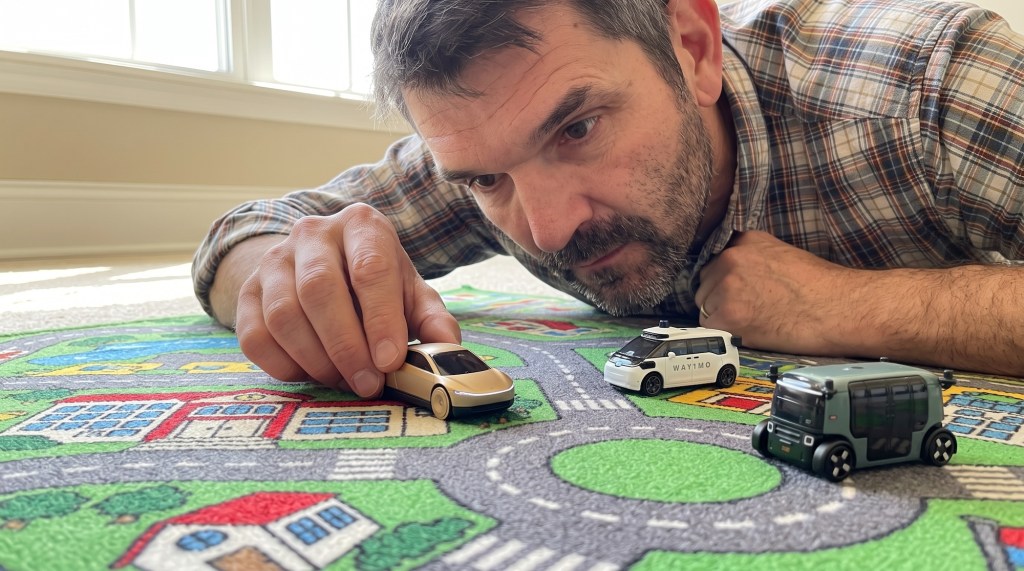
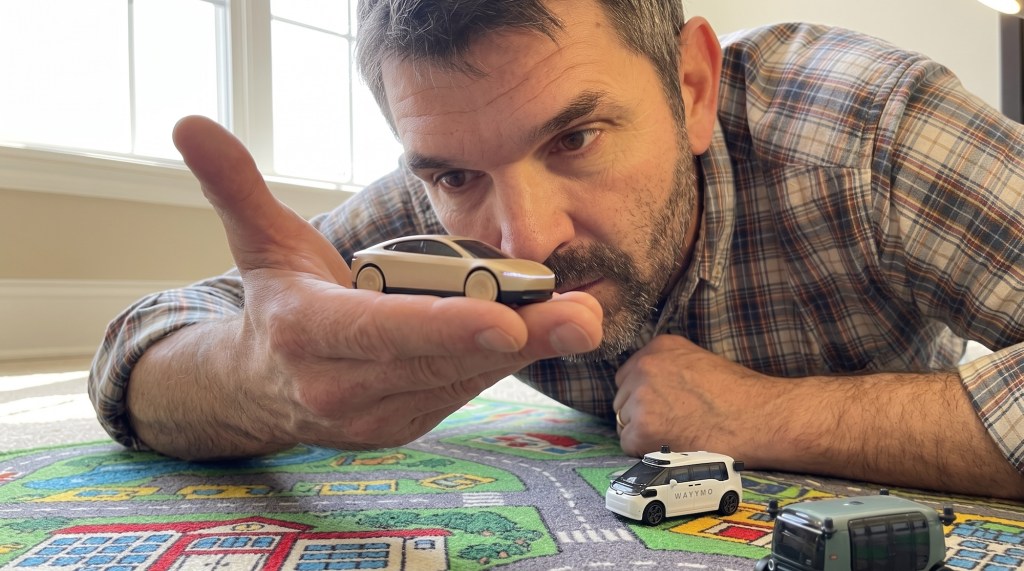
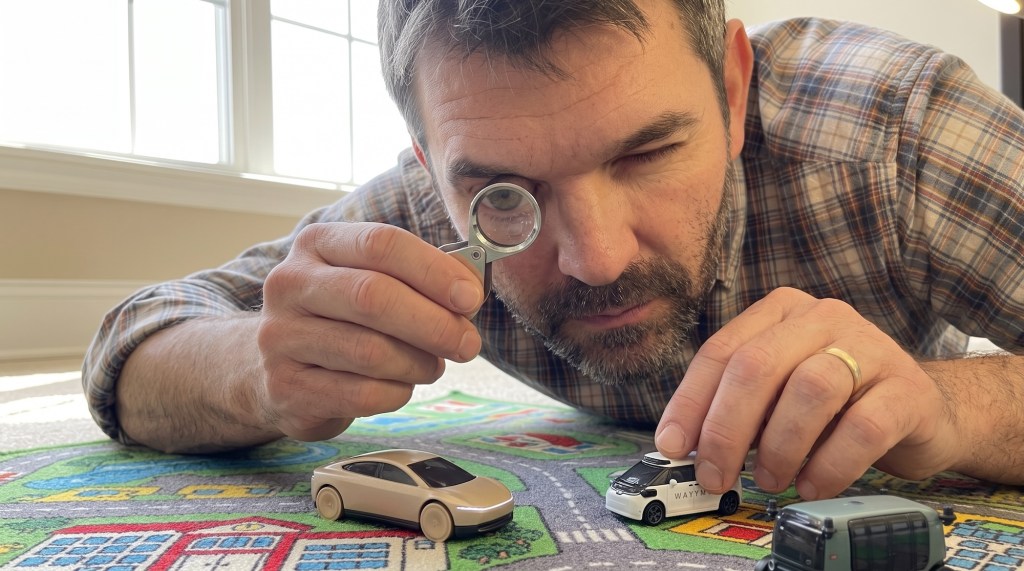
3. Technical Preparation
Once the physical infrastructure and legal framework are in place, Waymo can begin test drives. During this process, the company will create highly accurate navigation maps of a region using the robotaxis, while also making adjustments to account for country- and region-specific traffic conditions. This includes traffic signs, speed limits, stopping and parking zones, the road conditions in historically developed cities and regions, typical weather patterns, potential integration into public transportation, and the traffic behavior of human drivers typical of that country.
4. Public Relations
In addition, a robotaxi manufacturer must earn the public’s trust. The skepticism of the local population centers on the safety of the technology, fears of job losses in the taxi industry, potential restrictions and disruptions to traffic and parking, as well as an aversion to the multibillion-dollar companies and owners behind the technology.
Waymo has demonstrated how the public can support the operation of a robotaxi service. Eighty-three organizations—ranging from the Association for the Blind, Mothers Against Drunk Driving, the Chamber of Commerce, and child protection organizations to bicycle clubs—submitted statements of support during the March 2024 licensing process in California.
Waymo regularly hosts public events where attendees can not only get a close look at a vehicle and take it for a test drive, but also ask questions about the technology, safety, the background and motivation behind the technology, as well as what users, the public, and emergency responders can expect.

HOMO SYNTHETICUS
Wie Mensch und Maschine verschmelzen
Artificial intelligence is becoming visible. In Homo Syntheticus, futurist Dr. Mario Herger describes the dawn of a new era in which machines no longer just think, but also feel, act, and learn. Humanoid robots with artificial skin and autonomous consciousness are entering our lives—as helpers, colleagues, and perhaps even partners. At the same time, we humans are expanding our own capabilities through implants, interfaces, and AI integrated into our bodies. Humans and machines are converging, merging—and putting our notions of identity, ethics, and progress to the test. A fascinating look at the era of the synthetic human.
5. Time Period
Depending on the region, it is expected to take 9 to 18 months from the start of testing until Waymo launches its commercial driverless robotaxi service. For other manufacturers, this may take longer, as none of them yet have Waymo’s level of experience.
In London, it was announced in October 2025 that Waymo had opened an office there; testing began in December 2025, and Waymo expected to officially begin operations no earlier than September 2026 and no later than the end of 2026. In Tokyo, however, the process is taking much longer. It was announced there in December 2024 that Waymo had set up an office, and the first depots were identified in April 2025. However, Waymo is still not conducting driverless tests in Tokyo and has not announced a timeline for launching a commercial robotaxi service.
6. Factors Influencing the Situation in Europe
Which of the six European countries do you think will be the first to have a Waymo robotaxi service? That depends mainly on two factors, neither of which has anything to do with Waymo itself.
- Government Policy and Bureaucracy
- Domestic Automotive Industry and Trade Associations
First and foremost, the willingness of government agencies will determine whether and to what extent decision-makers are receptive to the new system. Are they open to these new technologies and willing to share in risks that are difficult to assess, to learn as they go, and to adapt regulations and criteria accordingly—or will they overwhelm applicants with bureaucratic red tape and requirements (A38 permit) that delay approval?
A note on this: as appealing as a regulatory agency’s concern for high safety standards in robotaxis may sound, that concern may be misguided. Current data suggests that Waymo’s robotaxis are already safer than human drivers. By delaying approval, regulatory officials and politicians bear shared responsibility for every traffic fatality that could have been prevented by a robotaxi.
A second factor is the strength of the domestic automotive industry and its trade associations. In Germany and France, as well as in Spain, the automotive industry plays a major economic role. Countries such as the Netherlands or England, which lack a significant automotive industry, often view such technologies as an opportunity to build a new industry within their own borders. In Germany and France, however, this is perceived as a threat, and obstacles are placed in the path of the newcomers.
Interest groups such as the TÜV could also stand to lose their status as guardians of safety and reliability. Trade unions and guilds that fear business losses and job cuts—specifically taxi companies and taxi drivers—are also likely to mount a fierce campaign against Waymo. Union-friendly countries like France and Germany, where there is also a high propensity for labor disputes, will likely make things difficult for Waymo. Other groups will include activists who oppose robotaxis for reasons that are partly justified and partly irrational.
Without the necessary political will and support from the authorities, this issue is unlikely to make much progress.
Recent examples include the protests against the Tesla factory in Berlin-Grünheide, which led to clashes between demonstrators, occupations of the construction site, and even a terrorist arson attack on power poles. Uber can also tell you a thing or two about this, as taxi drivers and the taxi guild continue to resist ride-sharing services, forcing them to endure long wait times or return trips to a depot.
7. Where Will Waymo Launch First?
Based on everything that has been said, I would predict that England (second half of 2026), followed by Switzerland and the Netherlands starting in the spring and fall of 2027, respectively, will be the next European countries to have a commercial, driverless Waymo robotaxi service. Spain and Portugal on the Iberian Peninsula will likely follow, with France and Germany bringing up the rear among the six mentioned countries; these are expected to launch the service no earlier than the second half of 2027, though 2028 is more likely. In the meantime, it’s even possible that other European countries where Waymo currently has no presence will jump the gun.
Addendum
List of organizations that supported Waymo’s commercial launch in California (Source):
- 100 Black Men of Los Angeles
- 3 Feet Please
- American Council of the Blind
- Assemblymember Vince Fong (32nd District)
- AutoNation
- Autonomous Vehicle Industry Association
- Bahati Foundation
- Bay Area Council
- Best Buddies International
- BikeLA
- Professor Billy Riggs, University of San Francisco
- Blinded Veterans Association
- Boys and Girls Clubs of Silicon Valley
- Breathe Southern California
- Brotherhood Crusade
- Burlingame/SFO Chamber of Commerce
- California Bicycle Coalition
- California Chamber of Commerce
- California Walks
- Center for Council
- Central City Association
- Chamber of Progress
- Chamber San Mateo County
- Community Coalition
- Congress of Racial Equality of California
- DTLA Proud
- Easterseals Southern California
- Epilepsy Foundation of Northern
- California
- Foundation for Advancing Alcohol Responsibility (Responsibility.org)
- Goodwill of the San Francisco Bay
- Greater Los Angeles African American Chamber of Commerce
- Greater Miracle Chamber of Commerce
- Harvest Home
- Heart of Los Angeles
- Hispanic Foundation of Silicon Valley
- Homeboy Industries
- Hundley Foundation
- Independent Living Resource Center San Francisco
- Integrated Community Collaborative
- International Brotherhood of Electric Workers (IBEW) Local Union 617
- Professor Jiaqi Ma, Center of Excellence on New Mobility and Automated Vehicles at University of California, Los Angeles
- Jobs for the Future
- Karsh Center
- LA-Tech.org
- Los Altos Chamber of Commerce
- Los Angeles Business Council
- Los Angeles County Business Federation (BizFed)
- Los Angeles County Economic Development Corporation
- Los Angeles Mission
- Margaret Cooper (San Mateo
- resident)
- Mothers Against Drunk Driving
- Mountain View Chamber of Commerce
- National Council on Independent Living
- National Federation of the Blind
- National Federation of the Blind of California
- National Multiple Sclerosis Society (Bike MS – Northern California Chapter of NMSS)
- National Sleep Foundation
- NorCal Spinal Cord Injury Foundation (NorCal SCI)
- Palo Alto Chamber of Commerce
- Pico Union Project
- Safe Kids Worldwide
- San Francisco Lighthouse for the Blind and Visually Impaired
- San Mateo County Economic Development Association
- Santa Monica Chamber of Commerce
- Santa Monica Families for Safe
- Streets
- Self-Help for the Elderly
- SHE IS HOPE LA
- Silicon Valley Bicycle Coalition
- Silicon Valley Leadership Group
- South LA Best Buy Teen Tech Center
- South Park Neighborhood Association
- Southern California Resource Services for Independent Living
- Street Racing Kills
- Streets Are For Everyone
- TEC Leimert
- TechNet
- United Cerebral Palsy
- Veloz
- Vista Center for the Blind and Visually Impaired
- Westwood Village Improvement Association
This article was also published in German.


2 Comments